World Environment Day 2026: Why Eggs Should Be Part of Your Climate Conscious Diet
26 May 2026
The earth is signalling a need for climate action. Across the globe, the systems that power our economies are being rethought, to repair our relationship with the planet. Food systems are central to this transformation1, 2.
Eggs are a nutrient-packed food with a relatively low impact on the environment. They provide high-quality protein, as well as essential vitamins and minerals, while being resource efficient.
That means you can continue to enjoy eggs while being climate-conscious, as they are a good fit for a more sustainable future.
Efficient nutrition
One of the biggest advantages of eggs is how efficiently they deliver nutrition. They contain all nine essential amino acids the human body needs, making them a complete protein. On top of that, they are highly digestible; research suggests that the human body can absorb up to 97% of egg protein3!

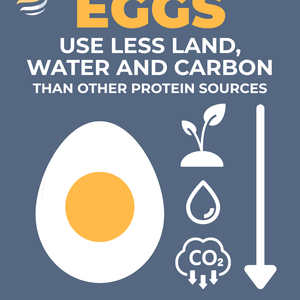
From a sustainability perspective, eggs require less land and water and generate lower greenhouse gas emissions4, 5 than many other protein sources. This combination of strong nutrition and efficient resource use gives eggs a place in climate-smart diets!
Responsible farming for smarter outcomes
The way eggs are produced has also been changing. Farmers across the sector are continuously introducing and improving new systems, with a focus on reducing environmental impact while maintaining food quality and affordability.
This includes improvements in feed efficiency, one of the biggest contributors to their carbon footprint6, 7. Some farms are also adopting renewable energy and circular farming approaches, where by-products are reintegrated into agricultural cycles rather than wasted.
Resilient food systems

Eggs also play an important role in food security. They can be produced year-round in most regions of the world, helping provide a stable and accessible source of protein.
Because hens are efficient at converting feed into high-quality protein, eggs help support resilient food systems that can meet demand without placing excessive strain on resources. This matters even more when you look at the bigger picture: around 3.8 billion people8 worldwide live in a household linked to an agrifood system, meaning the stability of food systems is closely tied to global wellbeing and economic security.
The efficiency of egg nutrition is increasingly valuable as populations across the planet grow and climate challenges increase.
Feeding the future responsibly
This World Environment Day, remember a more sustainable future and food system still includes eggs. They are nutrient-rich, widely available, low-cost, and the way they are produced is continuously improved.
A climate-conscious diet is about choosing foods that deliver more nutrition with less impact. Eggs already do that, and they are getting better at it every year!
References
2 Intergovernmental Panel on Climate Change (2022)
3 Puglisi, M., & Fernandez, M. (2022)
4 Leinonen, I., Williams, A. G., Wiseman, J., Guy, J., & Kyriazakis, I. (2012)
5 Poore, J., & Nemecek, T. (2018)
6 Guillaume, A., Hubatová, A., & Koči, V. (2022)
8 Food and Agriculture Organization of the United Nations. (2023)
Spread the word!
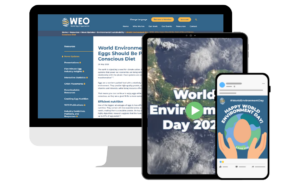
WEO has developed a social media toolkit to help you celebrate World Environment Day 2026 with eggs. The toolkit includes specially made sample graphics, video and post suggestions for Instagram, Facebook and X, all ready to be downloaded and shared!
Download the World Environment Day toolkit (English)
Download the World Environment Day toolkit (Spanish)